Beyond Outsourcing: How Betopia Is Building Bangladesh’s Next Global Enterprise AI Company

নিজস্ব প্রতিবেদক
প্রকাশিত:আপডেট:


For more than a decade, Bangladesh has been recognised as a global outsourcing destination. Muhammad Monir Hossain believes the country’s next chapter is not outsourcing, but building world-class enterprise technology companies that compete on innovation, capability and scale. Betopia Group is his attempt to prove it.
On 1 July 2025, that vision took institutional form. Betopia Group was formally established as a holding company, bringing together 22 companies, more than 5,000 professionals, and operations spanning 80 countries under a single unified group. Annual revenue now exceeds US$36 million, approximately Tk 4.3 billion, with a monthly payroll exceeding Tk 80 million. By headcount, Betopia is among the largest technology employers in Bangladesh.
Betopia’s rise reflects a broader opportunity for Bangladesh’s technology sector. As global demand shifts from outsourced services toward artificial intelligence, cloud computing and enterprise digital transformation, the country’s competitive advantage will increasingly depend on its ability to build globally recognised technology companies, not just supply talent. Betopia is positioning itself to be part of that transition.
Muhammad Monir Hossain’s path to founding Betopia Group began not in a boardroom, but on freelancing platforms. Starting on oDesk and later Elance, he took on web development assignments for overseas clients, working independently and building a reputation project by project. As demand grew, he recruited a team, expanded his contracts and gradually built the operational foundation that individual freelancing could not sustain.
In 2017, that foundation became a formal business. Bdcalling IT was launched with an initial investment of Tk 500,000 and seven employees, focused on delivering technology solutions to international clients, primarily in the United States. Over the next eight years, the company expanded deliberately across services and industries, driven by Hossain’s belief that Bangladesh’s competitive advantage was not low-cost labour, but engineering talent capable of producing world-class results when supported by the right infrastructure and leadership.
“Our employees are the driving force behind our growth,” said Engineer Muhammad Monir Hossain, Founder and Chief Executive Officer of Betopia Group. “We want to build technologies in Bangladesh that can compete globally while creating sustainable, high-quality jobs for the country’s young professionals.”
Betopia Group is not merely a software company. The organisation provides hardware, software and strategic consulting as an integrated enterprise solution.
Many technology firms specialise in a single discipline, such as software development, hardware supply or management consulting. Businesses requiring full digital transformation often have to coordinate among multiple vendors, leading to fragmented accountability and delays between project phases.
Betopia was built to address that problem. The group designs system architecture, supplies and configures physical infrastructure, develops and deploys software, and provides ongoing operational guidance through a single platform. Clients work with one provider responsible for the entire process, from planning to implementation and support.
Betopia Limited anchors the group’s enterprise solutions and international market development. It operates as Bangladesh’s official Odoo Silver Partner and runs a structured partner programme for technology resellers, regional consultancies and systems integrators. The group also maintains verified partnerships with Microsoft, AWS, Google Cloud, Dell, Cisco, HPE, Fortinet, Oracle and Red Hat, reflecting technical implementation capability as well as commercial affiliation.
Betopia’s capabilities are illustrated by its work beyond Bangladesh’s borders. One internationally recognised engagement is VLARPRO, a digital platform developed for the United States veterans’ services sector.
The platform addresses the complex and document-intensive process that military veterans often face when filing disability claims with the Department of Veterans Affairs. Many applicants abandon their claims before completion because of procedural difficulties.
Betopia designed and delivered a comprehensive digital solution that includes a mobile application, web portal, end-to-end claims workflow and secure document management system. The platform replaced a process widely regarded as inaccessible with a scalable, nationally deployable system that enables veterans across the United States to navigate the claims process more effectively, regardless of their technical background.
The project reflects Betopia’s broader approach: developing technology systems that solve operational complexity in sectors such as LegalTech, FinTech, EdTech, healthcare, manufacturing and supply chain management.
For technology companies worldwide, artificial intelligence has become an operational requirement. Building and deploying AI at enterprise scale requires more than software engineers; it demands high-performance computing infrastructure, GPU clusters, secure cloud environments and reliable data architecture.
Betopia invested in GPU-powered computing infrastructure before enterprise AI became mainstream. The group now operates AI infrastructure in Bangladesh, enabling its engineering teams to build, train and deploy AI models on NVIDIA-powered systems. These capabilities support machine learning, enterprise automation and next-generation AI solutions for clients worldwide.
“When our engineers say they have built AI infrastructure, they mean it,” said Hossain. “We did not acquire the capacity to talk about AI. We built the capacity to deliver it.”
This distinction is significant. The gap between companies that advise on AI and those capable of implementing AI solutions at scale is expected to shape competitive positions in the global technology market over the coming decade.
Drawing on his experience building an enterprise technology business serving clients in 80 countries, Hossain argues that Bangladesh already possesses one of the key ingredients for global success: engineering talent. The larger challenge is creating a policy environment that enables technology companies to innovate, scale and compete internationally.
He identifies three strategic priorities for Bangladesh’s technology future.
World-class AI infrastructure:AI development requires advanced computing infrastructure, including high-performance processors, GPU clusters, data centres and reliable power supply. Hossain notes that high import duties, lengthy customs procedures and elevated international bandwidth costs increase the cost of innovation.
A globally competitive business environment:Technology companies operate in a borderless economy, yet many regulatory frameworks remain designed for traditional industries. Simplifying access to foreign currency for cloud services, software licences and global technology procurement would improve competitiveness.
Future-ready talent and innovation:Bangladesh produces thousands of software engineering graduates each year, but global demand is increasingly concentrated in AI engineering, cloud architecture, cybersecurity and data science. Stronger collaboration among industry, academia and government will be necessary to close this skills gap.
“The private sector has demonstrated what is possible. We have built companies, trained engineers and earned the trust of international clients,” said Hossain. “The next stage of growth depends on creating the right environment for innovation. If we invest in world-class infrastructure, modern policies and future-ready talent today, Bangladesh can become one of Asia’s leading AI and technology economies.”
Beyond its current operations, Hossain has articulated a long-term vision for Betopia City, a privately developed, technology-focused urban environment.
The concept envisions world-class data centres, commercial skyscrapers, corporate headquarters, innovation hubs, educational institutions and residential facilities integrated within a single ecosystem. The aim is to create an environment where technology companies, engineers, entrepreneurs and researchers can collaborate and accelerate one another’s growth.
“I want to build something that does not just house technology companies, but generates them,” said Hossain. “A place where the infrastructure, the talent pipeline and the innovation culture are all in one place. Bangladesh deserves that.”
By 2030, Betopia aims to create technology employment pathways for tens of thousands of Bangladeshi professionals through direct hiring and the broader ecosystem surrounding its operations.
The global market for enterprise technology services, AI implementation and digital transformation is measured in trillions of dollars. Bangladesh currently captures only a small fraction of this market.
Betopia argues that Bangladesh can significantly increase its share by moving beyond project-based outsourcing and competing for higher-value, relationship-driven enterprise technology work. Achieving this transition will require investment ahead of revenue, the development of institutional capability and a sustained commitment to international standards.
“Our goal is to build technologies developed in Bangladesh and used around the world,” said Hossain. “We believe Bangladesh has the talent to become a genuine global technology player. The question is not whether it can happen, but whether we will build the systems to make it inevitable.”
Betopia Group is headquartered in Dhaka, Bangladesh, with operations across the United States, the Middle East, Europe and the Asia-Pacific region.
Latest News

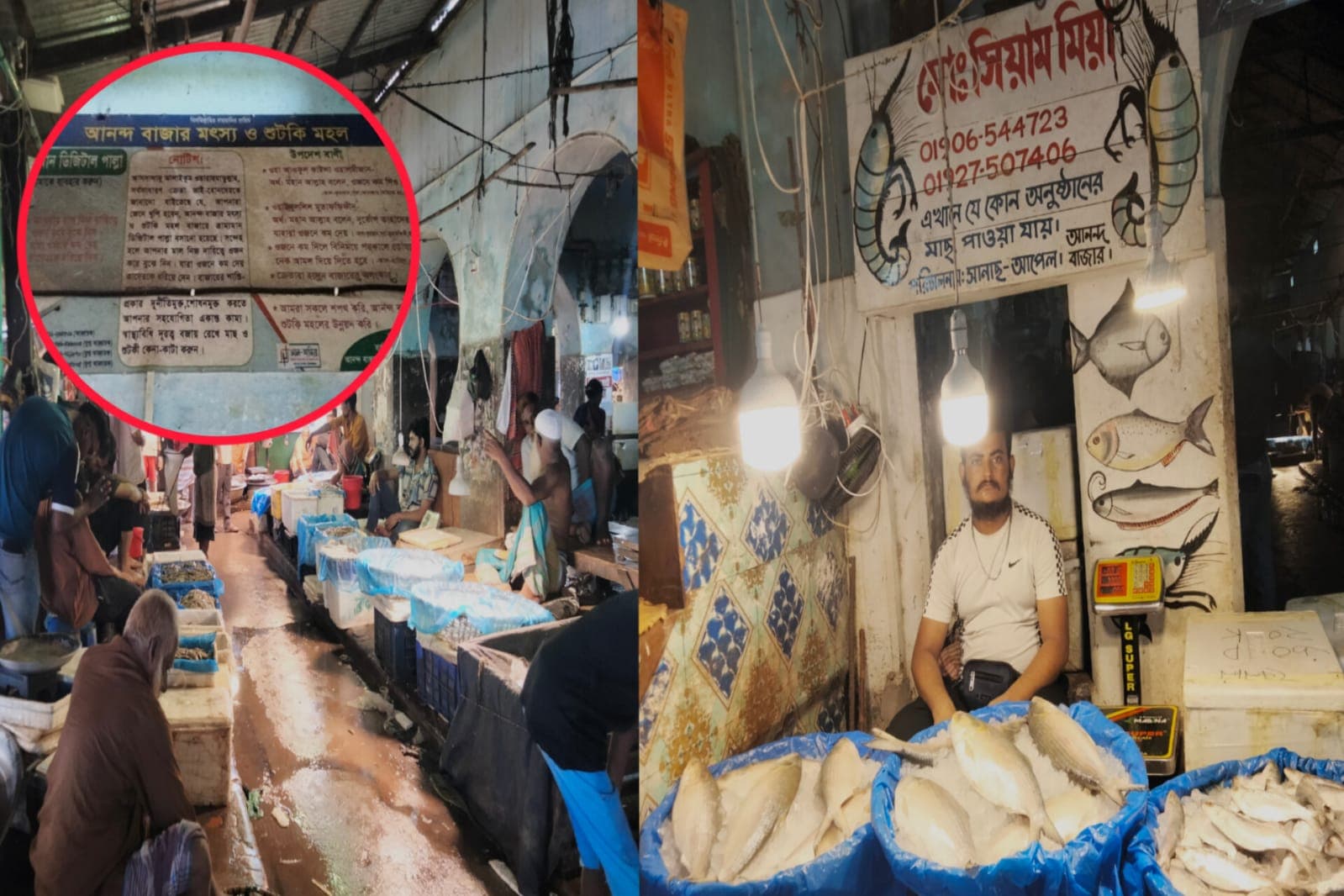
আনন্দবাজার মৎস ব্যবসায়ীদের বিরুদ্ধে সিন্ডিকেট ও প্রতারণার অভিযোগ
ওজনে কারচুপি, মাছে কেমিক্যাল ও রং মেশানো, চিংড়িতে জেলি দিয়ে ওজন বাড়ানো এবং ক্রেতাদের সঙ্গে অসদাচরণের মতো গুরুতর অভিযোগ উঠেছে। পাশাপাশি বাজারের বর্জ্য ব্যবস্থাপনা নিয়েও রয়েছে নানা প্রশ্ন।
Popular News

একজন প্রাইমারি শিক্ষকের বেতন কত?
শুধুমাত্র বেসিক বেতন থাকে ১১ হাজার থেকে ২৬ হাজার ৫৯০ টাকা পর্যন্ত। অর্থাৎ চাকরির শুরুতে বেসিক বেতন হবে ১১ হাজার টাকা, এরপর সময়ের সাথে সাথে বেড়ে দাঁড়াবে ২৬ হাজার ৫৯০ টাকা পর্যন্ত।

যুক্তরাষ্ট্রে বাংলাদেশি শিক্ষার্থী হত্যা ও নিখোঁজ ঘটনায় গ্রেপ্তার রুমমেট, যা জানা গেল পুরো ঘটনা
যুক্তরাষ্ট্রে দীর্ঘ ১০ দিন নিখোঁজ থাকার পর বাংলাদেশি শিক্ষার্থী জামিল আহমেদ লিমন (২৭)-এর মরদেহ উদ্ধার করেছে পুলিশ। একই ঘটনায় তার রুমমেট ২৬ বছর বয়সী সাবেক ইউনিভার্সিটি অব সাউথ ফ্লোরিডা (ইউএসএফ) শিক্ষার্থী হিশাম আবুঘারবিয়াহকে গ্রেপ্তার করা হয়েছে। একই সময়ে নিখোঁজ থাকা আরেক বাংলাদেশি শিক্ষার্থী নাহিদা এস বৃষ্টির কোনো সন্ধান এখনো মেলেনি।